

ASEAN+3 Regional Economic Outlook
ASEAN+3 Regional Economic Outlook 2026
April 2026
April 6, 2026
The ASEAN+3 region expanded by 4.3 percent in 2025, outperforming expectations despite the most significant shift in global trade policy in decades. The region continues to face substantial uncertainties and headwinds, but enters this period from a position of relative strength.
This year’s report features two chapters: Chapter 1 examines the region’s near-term economic prospects and key risks – including the impact of the ongoing conflict in the Middle East and disruptions to global energy supply, as well as the effects of shifting US trade policies – and the central challenge of preserving policy flexibility; Chapter 2 provides a structural perspective on how the region’s economic linkages have transformed over the past two decades, and what this means for macroeconomic management, long-term resilience, and regional cooperation.
Videos
Chapter 1: Macroeconomic Prospects and Challenges
ASEAN+3 delivered a stronger-than-expected performance in 2025 despite the most significant shift in global trade policy in decades. Economic activity remained well-supported by firm domestic demand, robust export performance, continued investment, and strengthening intraregional linkages.Looking ahead, the balance of risks is tilted to the downside, with uncertainty remaining elevated. Trade policy shifts and technology demand have each become sources of two-sided risk. The conflict in the Middle East and the disruption to energy supply through the Strait of Hormuz pose a significant near-term risk to both growth and inflation, while financial market volatility adds further downside pressure.
The region nonetheless enters 2026 from a position of relative strength. Growth outperformed expectations in 2025, inflation remained low, and most economies retain meaningful fiscal and monetary space. Preserving policy flexibility remains the central near-term challenge for policymakers across the region.
Chapter 2: A More Regionally Anchored ASEAN+3: The Transformation of Economic Linkages
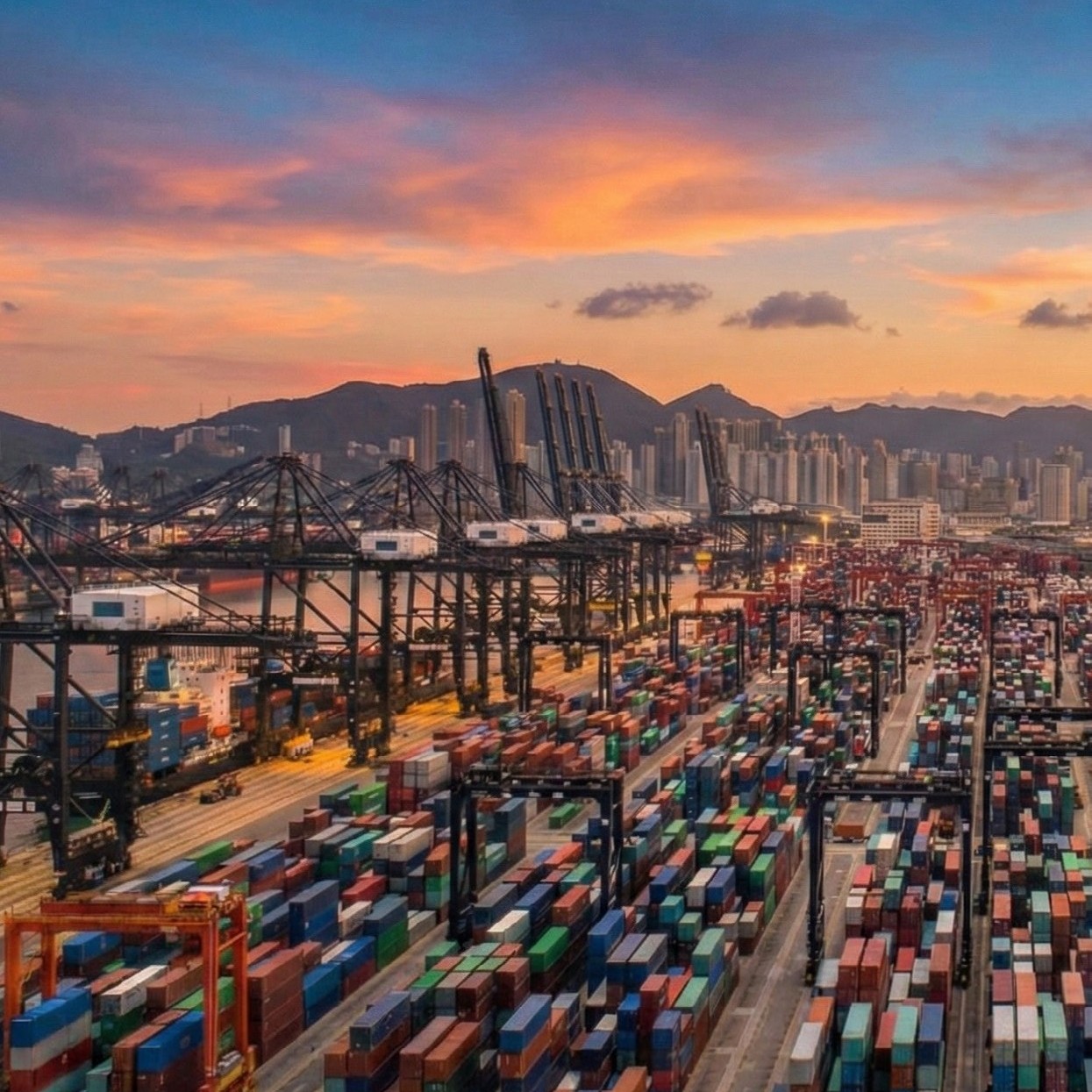
The global environment surrounding ASEAN+3 has shifted markedly, raising pressing questions about the region's near-term resilience and longer-term positioning. This chapter provides the structural perspective essential for assessing these questions, mapping how the region's economic linkages have transformed over the past two decades, and examining what this means for macroeconomic management and long-term growth.ASEAN+3's economic linkages have undergone a fundamental transformation. Regional production networks have become denser and more interconnected, while the region has emerged as a major source of global final demand. This structural shift means the region is better positioned to weather current trade disruptions than earlier configurations would have allowed, though it does not imply immunity to external headwinds.
Deeper integration has brought business cycles closer together, making sound macroeconomic management a matter of regional concern. Sustaining long-term resilience requires upgrading domestic capabilities, reducing concentration risks, and ensuring integration gains are broadly shared through deepened regional cooperation.

Download by Section
Key Highlights by language: English | Bahasa Indonesia | Bahasa Melayu | Chinese | Japanese | Khmer | Korean | Lao | Myanmar | Thai | Vietnamese